
Request Your Free Best Practices Now:
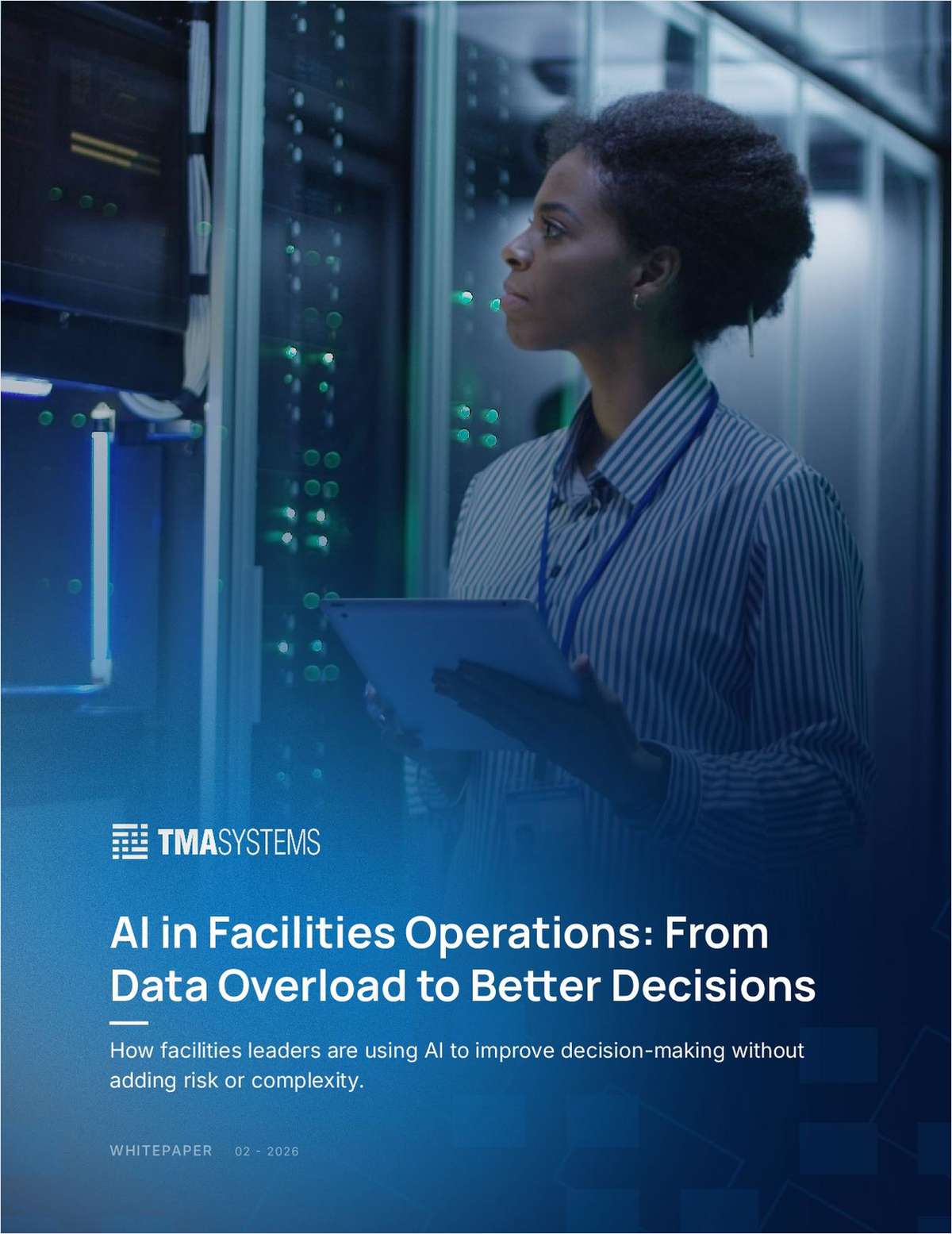
"AI in Facilities Operations: From Data Overload to Better Decisions"
Cut through the noise. This whitepaper shows how facilities leaders use AI as a decision-support layer--to reduce alarm overload, surface risk, and prioritize the right work--without adding complexity or surrendering accountability. Learn the practical moves that build trust, readiness, and better outcomes across your portfolio.
Your teams aren’t short on data, they’re short on clarity. Work orders, alarms, inspections, meters, and sensors pour in all day, but signals rarely arrive with enough context to know what truly matters now. The result: decision fatigue, missed issues, and growing skepticism about “smart facilities.” This whitepaper lays out a grounded approach to AI that helps facilities organizations move from data overload to better, faster decisions without replacing human judgment.
What you’ll learn inside:
- Why reactive habits are cracking under complexity (p.2–4): Portfolios, compliance, and hybrid-use patterns have outgrown manual triage. More dashboards haven’t meant more clarity.
- Where AI actually works today (p.5): Practical use cases that hold up in daily ops—early warning on emerging issues, noise reduction (grouping duplicates, suppressing low-impact alerts), and risk-based prioritization that points your techs to the next best action.
- AI as a decision-support layer, not a black box (p.6): Keep accountability with your supervisors and technicians while adding explainable insight they can question, trust, and act on.
- Why “smart” initiatives stall—and how to avoid it (p.7): It’s usually not the algorithm. It’s missing context, disconnected workflows, unclear ownership, and historical disappointments. Fix these and adoption follows.
- Leadership playbook for readiness (p.8–10):
- Get data good enough to trust during active decisions (assets, history, locations).
- Align workflows so insight lands inside planning/response—not in a separate report.
- Clarify ownership for reviewing signals, setting priority, and documenting decisions.
- Partner with IT on governance, auditability, and security—so recommendations are traceable and defensible.
- Reduce cognitive load: fewer, clearer signals that map to risk and operational impact.
Who should read it: Facilities directors, operations leaders, and IT partners responsible for uptime, safety, compliance, and capital planning across complex portfolios.
Why it matters now: As insight moves closer to daily work, success will favor teams that strengthen foundations—data quality, shared context, and clear accountability—then layer in AI to reinforce judgment and speed. With the right readiness in place, outcomes follow: fewer after-hours calls, shorter time-to-response, and more confident prioritization across sites.
Download the paper to see how leading teams are turning alarms and reports into actionable, risk-aware decisions—and how you can do the same without adding complexity to your day.
Offered Free by: TMA Systems
See All Resources from: TMA Systems
Recommended for Professionals Like You:

Thank you
This download should complete shortly. If the resource doesn't automatically download, please, click here.

Thank you
This download should complete shortly. If the resource doesn't automatically download, please, click here.

Thank you
This download should complete shortly. If the resource doesn't automatically download, please, click here.